
There’s a moment in nearly every fight when the energy shifts. Two fighters stop circling, abandon the chess match, and plant their feet to trade punches. The crowd gets louder, the intensity rises, and fans lean forward. In that moment, many people feel like they’re witnessing “real fighting.” This reaction isn’t random—it’s rooted in how violence is perceived, how toughness is interpreted, and how the sport has been presented over time.
Striking is immediate and easy to understand. A punch lands clean, and everyone in the arena can see the impact. Blood, knockdowns, and visible damage create a clear narrative: one fighter is hurting the other. Grappling, by contrast, is more subtle. Control happens through positioning, pressure, and small adjustments that aren’t always obvious to the untrained eye. A fighter can dominate another for minutes at a time without throwing a single strike, yet to some viewers, it doesn’t feel as dramatic. Because of this, fans often equate visible damage with effectiveness, even though control can be just as decisive.
There is also a psychological layer tied to pain tolerance and perception of toughness. When fighters stand and exchange strikes, it appears as though they are willingly accepting danger to prove something. That willingness to endure pain gets interpreted as courage, and courage often becomes associated with masculinity. The fighter who refuses to back down, who stays in the pocket and absorbs shots to give them back, fits a very traditional image of what many people believe a “real fighter” should look like. However, this perception can be misleading. Taking unnecessary damage is not always a sign of superiority—it can be a strategic mistake.
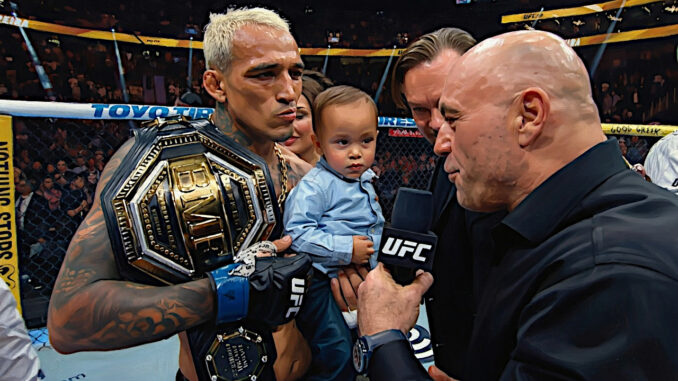
The culture of the sport has reinforced this idea over time. The introduction of concepts like the BMF title elevated a specific type of fighter—one who embraces chaos, durability, and high-risk exchanges. This branding didn’t focus on rankings or efficiency; it celebrated grit, violence, and entertainment. As a result, fans began to associate excitement with authenticity. Fighters who engage in wars are remembered, replayed, and promoted, while those who control fights methodically are sometimes overlooked, even if they are more effective.